Location
As with any real estate purchase, location plays a pivotal role in the price of land. In Nigeria, land prices can vary dramatically based on proximity to major cities, access to infrastructure, and development potential.
- Urban Areas: Land in cities like Lagos, Abuja, Port Harcourt, and Ibadan is typically more expensive due to higher demand, population density, and the availability of better infrastructure. For instance, in Lagos, prices for land in prime areas such as Lekki, Victoria Island, and Ikeja can be significantly higher than in less developed areas like Badagry or some parts of the mainland.
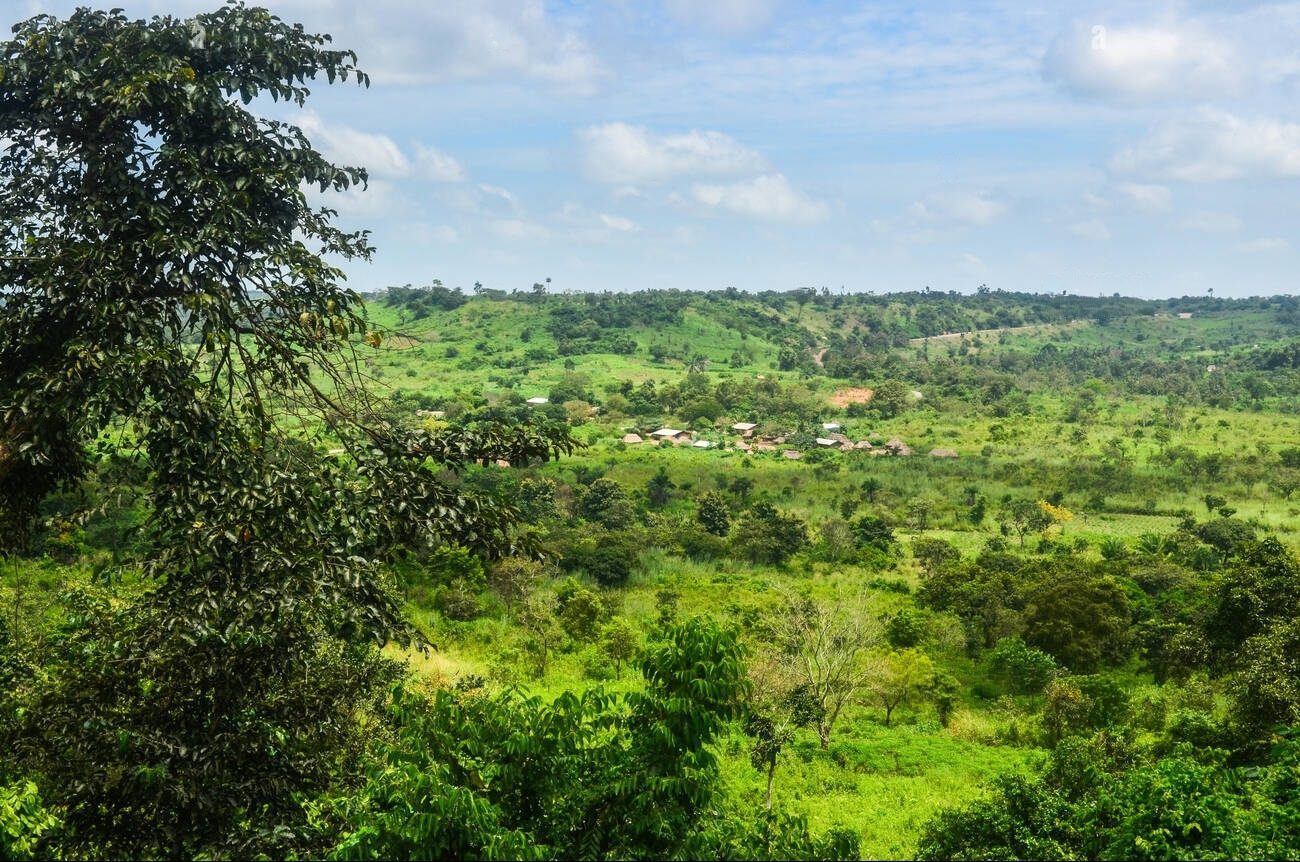
Rural Areas: On the other hand, rural and less-developed regions in Nigeria, such as in the northern states or some parts of the South-East, tend to offer more affordable land options. Prices can range from a few hundred thousand Naira for a plot of land to several million, depending on the exact location.
Proximity of Key Infrastructure
Land that is near major highways, new government developments, or commercial centers will cost more due to its future potential. Conversely, land far from main roads, services, or utility networks (water, electricity, etc.) may be cheaper but come with added development costs.
Size and Use of the Land
The amount of land you want to buy will also impact the price. Land is typically sold by the plot (which can range from 450 to 1,000 square meters) or by hectares (10,000 square meters).
- Residential Land: A standard plot for building a house in Nigeria can range from 300 sqm to 1,000 sqm, and prices depend heavily on the location. In Lagos, for example, a plot in an upscale area could cost millions of Naira, while in suburban or rural areas, it could be much cheaper.
Commercial or Agricultural Land: If you’re buying land for commercial use or farming, prices can differ depending on the zoning laws, land fertility, and access to necessary infrastructure. Agricultural land in rural areas can be quite affordable, while commercial land in business districts will cost a premium.
Legal Considerations and Fees
One of the more complicated aspects of buying land in Nigeria is navigating the legal and regulatory processes. These costs can add up quickly, so they should be factored into your budget:
Title and Documentation: Before buying land, ensure that the land has a proper title and is not subject to legal disputes. The most common land titles in Nigeria include Certificate of Occupancy (C of O), Excision, and Deed of Assignment. Acquiring a C of O or other valid land titles may require additional fees for application and processing. Also, hiring a lawyer to ensure the land is free from encumbrances and has a clean title will cost anywhere from ₦100,000 to ₦500,000, depending on the complexity.
Stamp Duty and Registration Fees: After acquiring the land, it must be registered with the land registry. This comes with its own set of fees, typically a percentage of the value of the land. Registration fees in states like Lagos can range from 3% to 10% of the total value of the land. Be sure to inquire about the specific fees in the state where the land is located.
Survey and Valuation Fees: A land survey is important for determining the boundaries of your land, which can help avoid future disputes. Survey costs can vary but typically range from ₦100,000 to ₦300,000, depending on the land’s size and location. Land valuation may also be necessary if you plan to resell or use the land as collateral for a loan.
Development Costs
If you plan to develop the land—whether it’s for a residential building, a business, or agricultural purposes—you’ll need to factor in the cost of development. This includes clearing the land, building roads, connecting utilities (water, electricity, etc.), and possibly demolishing any existing structures.
- Land Clearing: Depending on the land’s condition, clearing could cost between ₦50,000 to ₦200,000 for a small plot, but it could be higher if the land is large or heavily wooded.
Utilities and Infrastructure: If the land is not serviced by basic infrastructure, the cost of providing water, electricity, and road access can add a significant amount to the overall cost. This can be anywhere from a few hundred thousand Naira to millions, depending on the location.
Market Dynamics and Negotiation
Land prices in Nigeria can be highly negotiable, especially in less formal markets or rural areas. However, in urban areas, where prices are generally fixed or set by developers, there may be less room for negotiation. It’s important to conduct thorough research and consult with local experts or real estate agents to understand the market conditions and ensure you are paying a fair price.
How Much Will You Need?
Based on the factors mentioned above, here’s a general idea of what you can expect when buying land in Nigeria:
- Lagos: Prices in premium areas can range from ₦5 million to ₦50 million per plot, depending on the area. In more affordable neighborhoods or outskirts, prices could range from ₦1 million to ₦5 million.
- Abuja: The Federal Capital Territory also sees high land prices, with plots in upscale neighbourhoods such as Maitama or Asokoro going for ₦20 million to ₦100 million or more. In suburban areas, prices range from ₦2 million to ₦10 million.
- Other States: In states like Ogun, Oyo, Anambra, and Delta, land prices are more affordable. Rural or less-developed land can be as low as ₦200,000 to ₦1 million for a plot, while commercial or residential land in urban centers can range from ₦5 million to ₦15 million.Abuja: The Federal Capital Territory also sees high land prices, with plots in upscale neighbourhoods such as Maitama or Asokoro going for ₦20 million to ₦100 million or more. In suburban areas, prices range from ₦2 million to ₦10 million.
Final Thoughts
Ultimately, the amount of money you need to buy land in Nigeria depends on several factors, including location, size, legal processes, and development costs. If you’re looking for land in a major city, be prepared to pay a premium, but if you’re open to exploring less-developed areas or rural regions, you could secure a good deal. It’s crucial to conduct thorough research, involve legal professionals, and budget for additional costs such as surveys, title verification, and development expenses.
By understanding the full scope of costs associated with land ownership, you can make an informed decision and ensure that your investment in land will be both financially viable and legally sound.